
7 Best Strength Training Exercises for Women Over 35
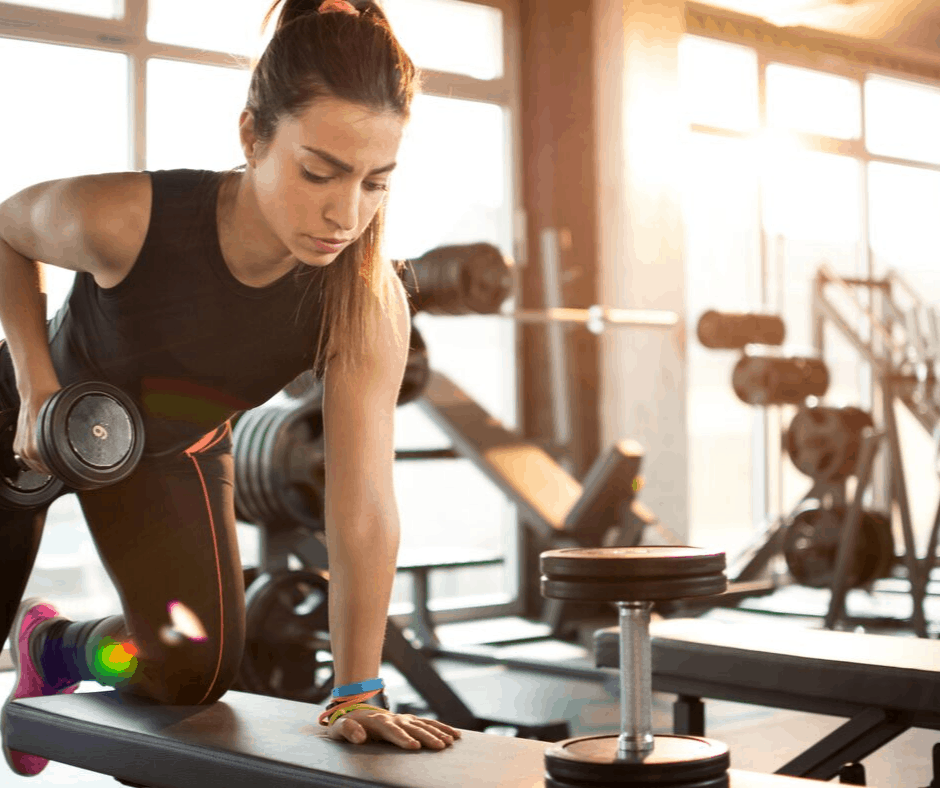
We all know that things change a lot in a woman’s body once she hits her 30s. Losing weight becomes harder because of a naturally slowing metabolism. One way to fight this is with a great strength training routine. Lifting weights is one of the best ways to remain strong and build muscle.
Strength training after 35 is different — not harder, just different. Your body is capable of incredible things at this stage, but it needs more intentionality than it did at 25. Recovery matters more. Warm-up is non-negotiable. And the exercises you choose need to work smarter, not just harder — compound movements that build functional strength and protect your joints rather than isolated exercises that only hit one muscle at a time.
I’ve been running and strength training for years, and the longer I do it the more I understand why these seven exercises keep showing up in any good program for women in their 30s and beyond. They’re not trendy. They work. They build the kind of full-body strength that helps you carry groceries, keep up with your kids, and feel genuinely capable in your own body — not just look a certain way.
Before you start: warm up for 5–10 minutes with light cardio or dynamic movement (arm circles, leg swings, bodyweight squats). Going into compound movements cold is how injuries happen, especially once you’re past 35. Foam rolling at the end is equally non-negotiable — instructions at the bottom.
Read on below for the 7 best strength training exercises for women over 35. You should use dumbbells that are a medium to heavy weight depending on if you are a beginner or intermediate. You should do 4 sets of each of the exercises and do them one at a time adding on as you see fit.
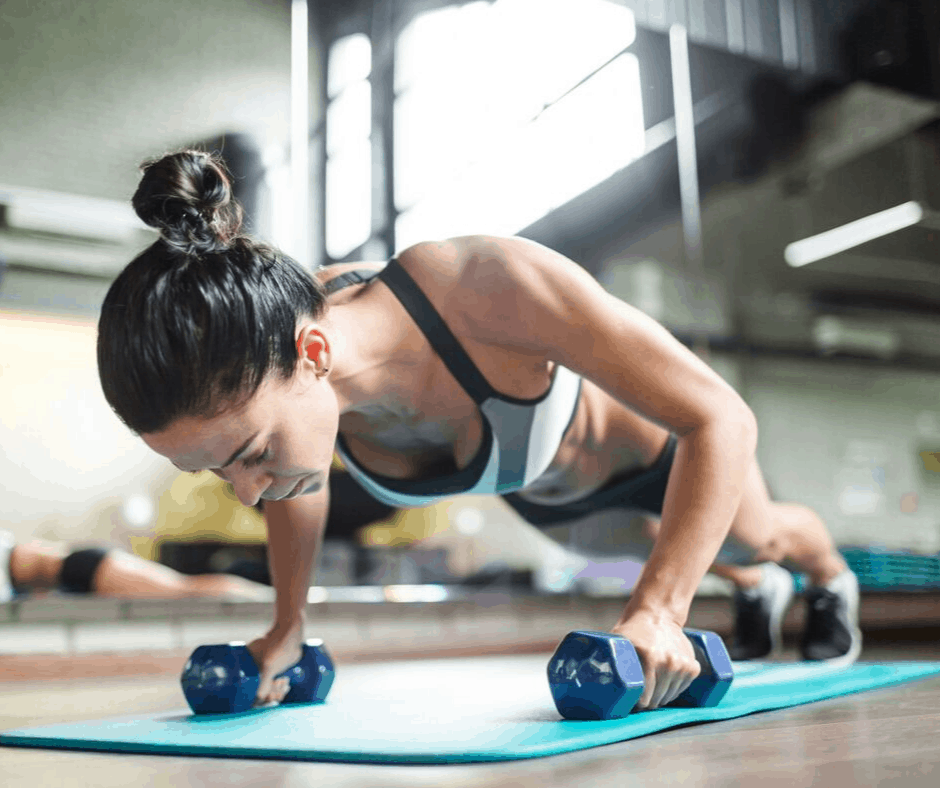
The amount of repetitions you would need to do is noted below by each exercise. After each exercise’s set, take about 1 to 2 minutes rest and take a brisk walk across the gym. After you finish, remember to take about 15 to 20 minutes to stretch and use a foam roller.
WHY THESE 7 EXERCISES SPECIFICALLY
Every exercise in this list is a compound movement — meaning it works multiple muscle groups at the same time. For women over 35, that matters for two reasons: efficiency (you get more done in less time) and hormonal response (compound movements trigger a stronger anabolic response, which supports muscle building and metabolism at an age when both naturally slow). You’ll do 4 sets of each exercise. Rep counts are listed with each movement. Rest 1–2 minutes between sets — use that time to walk across the gym or take a few deep breaths, not to sit down.
When using the foam roller, start at the ankles and roll for about 5 seconds and slowly work your way up. Then to the same for the front part of your legs. I have gone ahead an included some Youtube demonstrations below.

Dumbbell Squat to Dumbbell Shoulder Press
Why it’s on the list: Combines a lower body push (squat) with an upper body push (shoulder press) in one fluid movement. Works quads, glutes, shoulders, and core simultaneously.
Stand with feet shoulder-width apart, a dumbbell in each hand held at shoulder height, palms facing each other. Brace your core, push your hips back, and lower into a squat — go as deep as your mobility allows with your chest up and knees tracking over your toes. Drive through your heels to stand back up, and as you reach the top of the movement, press the dumbbells directly overhead until your arms are fully extended. Lower back to shoulder height as you begin the next squat. That’s one rep. Do 15 reps.
Beginner modification: Use lighter dumbbells and do the squat and press as two separate movements until the coordination feels natural.
Dumbbell Romanian Deadlift to Dumbbell Lunge
Why it’s on the list: The Romanian deadlift strengthens the posterior chain (hamstrings, glutes, lower back) — the muscle group most women are weakest in and most prone to injury. The lunge adds single-leg stability work.
Hold two dumbbells with an overhand grip, arms hanging at your thighs, feet hip-width apart, knees slightly bent. Hinge at the hips — not the waist — lowering the dumbbells along your legs as your torso becomes roughly parallel to the floor. Feel the stretch in your hamstrings, then drive your hips forward to return to standing. From standing, step your right foot forward into a reverse lunge, lowering until your front knee is at 90 degrees. Push back to standing. That’s one rep — deadlift, then lunge. Alternate legs. Do 8 reps per leg (16 total).
Form note: Keep your back flat throughout the deadlift — a rounded lower back under load is how you get hurt. If you feel your back rounding, lighten the weight.
Pause for a second and then push yourself as fast as you can, back to the starting position. You then need to repeat this entire exercise, but instead of right leg, use the left one. This constitutes as one rep. Do 8 reps per leg, which is 16 reps in total.
Dumbbell Side Lunge with Bicep Curl
Why it’s on the list: The lateral lunge pattern is underused in most programs but critical for hip mobility, inner thigh strength, and knee stability — all particularly important for women over 35.
Stand with feet shoulder-width apart, a dumbbell in each hand at your sides, palms facing forward. Step your right foot out wide to the right, pushing your hips back and bending your right knee as you lower — your left leg stays straight. As you lower into the lunge, curl both dumbbells up to your shoulders. Lower the dumbbells as you push back to standing. Repeat on the left side. That’s one rep on each side. Do 8 per leg (16 total).
Glute Bridge to Tricep Kick
Why it’s on the list: Glute bridges are one of the most effective glute activators available, and pairing them with a tricep extension turns a floor exercise into a full posterior chain and upper arm strengthener.
Lie on your back with knees bent and feet flat on the floor, hip-width apart. Hold a dumbbell in each hand at chest level, elbows bent at 90 degrees pointing toward the ceiling, palms facing each other. Simultaneously drive your hips up — squeezing your glutes at the top so your body forms a straight line from knees to shoulders — and extend your arms straight up so the dumbbells are lined up over your chest. Lower your hips and bend your elbows back to the starting position at the same time. That’s one rep. Do 15 reps.
Plank and Alternating Row
Why it’s on the list: Anti-rotation core work. Holding a plank while rowing a dumbbell forces your entire core to resist rotation — this builds the deep stabilizer muscles that protect your spine and improve posture.
Get into a high plank position with a dumbbell in each hand, hands gripping the dumbbells rather than flat on the floor. Your body should form a straight line from head to heels. Keeping your hips level and stable, row your left dumbbell up by pulling your left elbow past your torso. Lower with control. Repeat on the right side. That’s one rep. Do 8 per arm (16 total).
Beginner modification: Drop your knees to the floor to reduce the stability demand while you build core strength.
Form note: The goal is a still, stable torso — if your hips are rocking side to side, lower to your knees or reduce the weight.
Sumo Squat and Upright Row
Why it’s on the list: The wide stance sumo squat targets the inner thighs and glutes differently than a standard squat, and the upright row builds the upper back and shoulders — an area many women neglect.
Stand with feet wider than shoulder-width, toes pointing out at approximately 45 degrees. Hold two dumbbells with an overhand grip, arms hanging straight down between your legs. Lower into a squat, keeping your chest up and knees pressing outward (don’t let them cave in). As you stand back up, in one fluid movement pull the dumbbells straight up toward your chest, leading with your elbows out to the sides at shoulder height. Lower back to the starting position. That’s one rep. Do 15 reps.
Form note: Keep your elbows higher than your wrists throughout the upright row — this protects your shoulder joint.
Single Arm Dumbbell Snatch
Why it’s on the list: A power movement — it trains your body to generate force quickly, which is important for athletic function and falls prevention as we age. It also builds coordination between your lower body, core, and upper body in one explosive movement.
Stand with feet shoulder-width apart, a dumbbell in your right hand. With a slight bend in your knees and a flat back, hinge forward so the dumbbell hangs between your knees. In one explosive movement: extend your legs, thrust your hips forward, and pull the dumbbell up — bending your elbow to bring it to shoulder height, then punching it overhead in one motion. The dumbbell should travel close to your body throughout. Lower with control. Complete all reps on one side before switching. Do 8 per arm (16 total).
Start lighter than you think. This is a technical movement — learn the pattern at a lighter weight before loading it up.
This is just the beginning! There are so many great strength training exercises for women over 35! The key is to start and gain confidence to lift heavier and heavier. Be sure to try these awesome routines if you are looking to build on your strength training goals from week to week.
RECOVERY: FOAM ROLLING AND STRETCHING
Don’t skip this. Take 15–20 minutes after the workout to foam roll and stretch — especially after compound movements that load your hamstrings, glutes, and lower back.
Foam rolling protocol: Start at your ankles and work your way up — calves, hamstrings, glutes, lower back, upper back. Spend about 5 seconds on each area, pausing on any tight spots for 20–30 seconds. Then repeat for the front of your legs: quads and hip flexors. If you only have time for one area, prioritize the hamstrings and glutes after this particular workout.
Stretching: Focus on hip flexors (lunge stretch), hamstrings (standing forward fold or seated reach), quads (standing quad stretch), and shoulders (cross-body arm stretch). Hold each stretch 30–45 seconds.
FAQs
Medium to heavy — the last 2–3 reps of each set should feel genuinely challenging. For compound movements like the squat-to-press and Romanian deadlift, women new to lifting might start with 10–15 lb dumbbells. For the snatch, start lighter (8–10 lbs) until the movement pattern feels comfortable, then progress.
2–3 times per week with at least one rest day between sessions. Muscle is built during recovery, not during the workout itself — rest days are not optional.
After 35, women begin to naturally lose muscle mass (a process called sarcopenia) and bone density accelerates its decline, particularly approaching perimenopause. Strength training directly counteracts both — it builds and maintains muscle, stimulates bone density, supports metabolic rate, and improves balance and stability. It’s one of the most well-researched interventions for healthy aging in women.
No — all 7 exercises require only dumbbells. You can do this workout at home with a set of adjustable dumbbells or a couple of fixed-weight pairs.
Start with lighter weight and focus on form before adding load. The beginner modifications listed with each exercise (knees down for the plank row, separating the squat and press) are specifically for building up to the full movement. Check out the Beginner Strength Training hub linked below for a structured starting point.
Yes — this is designed as one full workout. At 4 sets each, you’re looking at approximately 45–60 minutes depending on rest periods. If that feels like too much to start, do the first 4 exercises in one session and the last 3 in another until your fitness level builds.
Consult your doctor or a physical therapist before starting if you have diagnosed joint conditions. For general joint sensitivity common after 35, the key is warm-up (non-negotiable), correct form (especially keeping knees tracking over toes in lunges and squats), and not loading movements past your current mobility range.
For more strength training posts check out:
- Free Strength Training Printables For Women
- Got Muscle? 9 Beginner Strength Training Routines For Women
- 10 Beginner Strength Training Arm Exercises
- Strength Training 101
And don’t forget your free fitness journal to keep up with all of your awesome improvements!
What are your favorite strength training workouts?
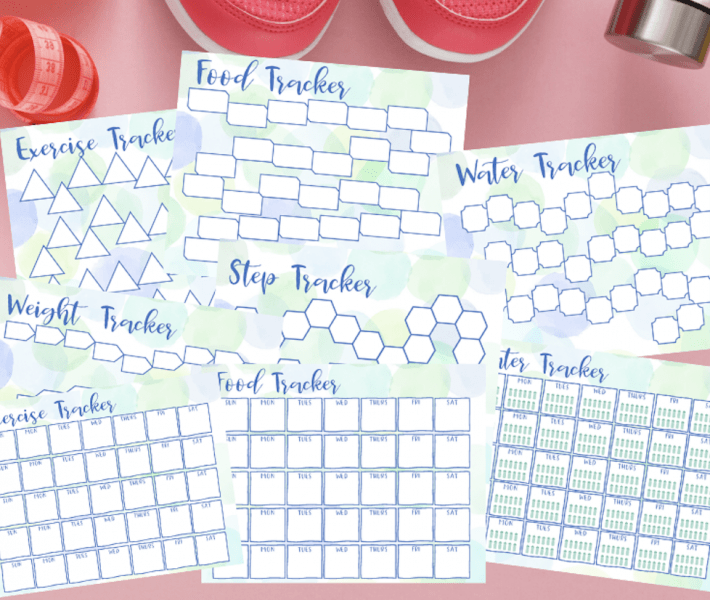
Before you go don’t forget to grab your free Fitness Journal Health Goals Tracker here!

Hi! I’m Nellie. I am an entrepreneur, a busy mama of 3 and a wife to my high school sweetheart. I have been sharing content for over 12 years about how to cook easy recipes, workout tips and free printables that make life a little bit easier. I have been featured in places like Yahoo, Buzzfeed, What To Expect, Mediavine, Niche Pursuits, HuffPost, BabyCenter, Mom 2.0, Mommy Nearest, Parade, Care.com, and more!
Get comfortable and be sure to come hang out with me on social. Don’t forget to grab your free fitness journal before you go!

These exercises are great and so need all the help I can get with strength training and toning up here. So, thanks, my friend, for sharing with me!! 🙂