
The Best Jamaican Jerk Sauce Recipe
Jamaican Jerk Sauce is simple to make and so good with all kinds of protein! Spicy and flavorful, you will use this amazing sauce on anything!
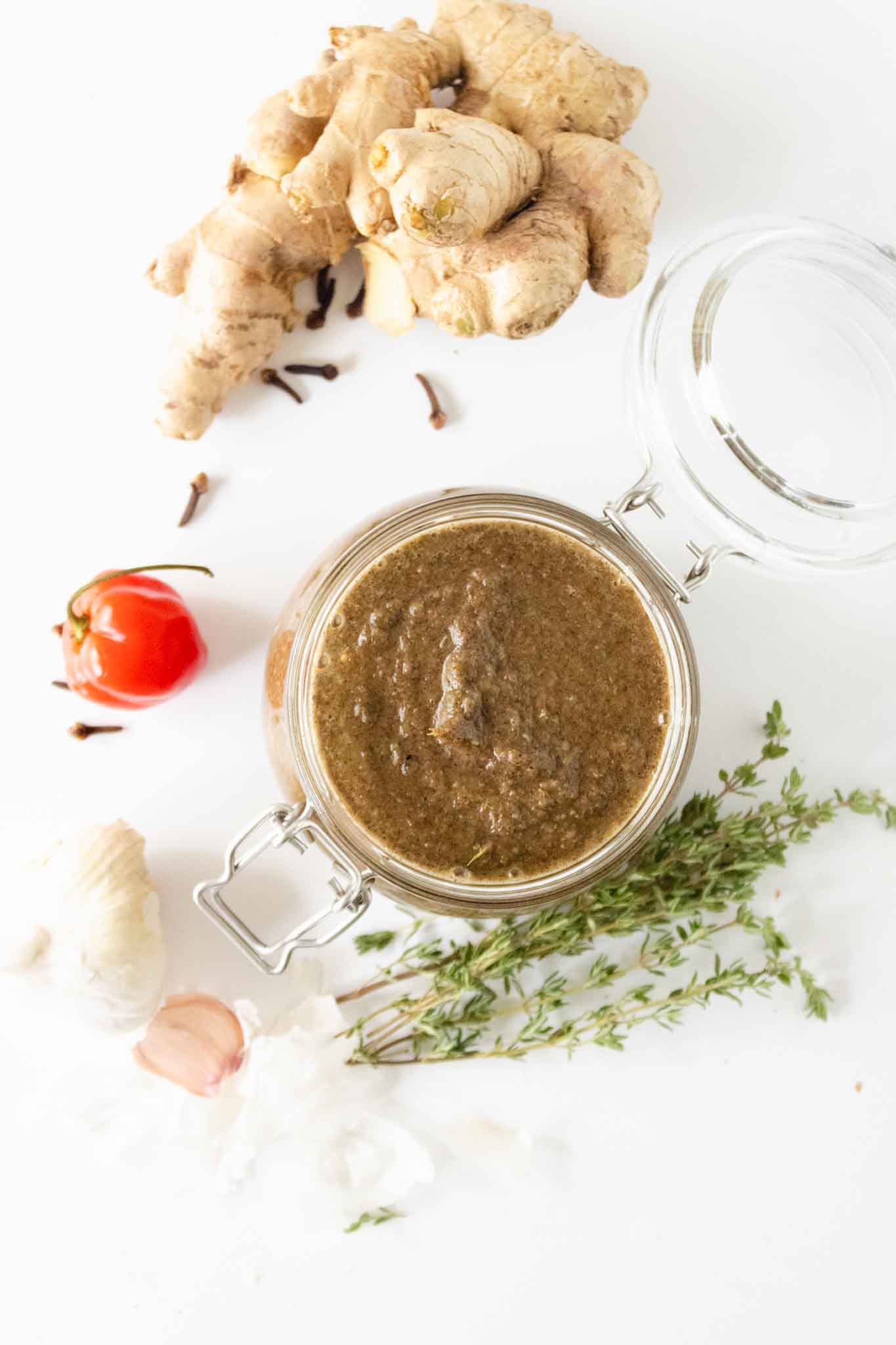
Jerk seasoning is one of those things I grew up smelling before I knew what it was called. The scotch bonnet heat, the allspice, the thyme — that combination is deeply specific and deeply Jamaican, and once you’ve had the real thing, the store-bought sauce never quite gets there. This is the sauce version of the marinade from our Authentic Jamaican Jerk Chicken recipe — same heritage, same ingredients, blended into a sauce you can use as a marinade, a basting sauce, or a dipping sauce on the table.
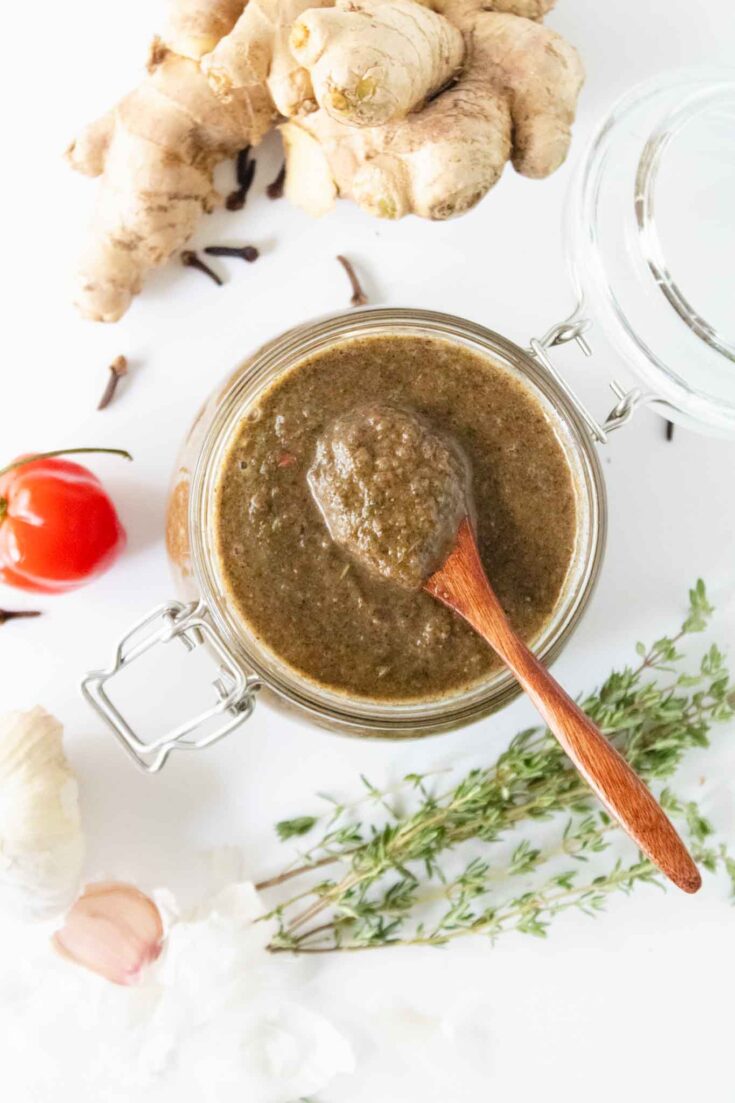
Everything goes in a blender. It takes 15 minutes. The flavor is nothing like what comes out of a bottle.
WHAT MAKES THIS JERK SAUCE AUTHENTIC
There are a few things that separate a real jerk sauce from a generic spicy marinade, and all of them are in this recipe.
Scotch bonnet peppers are the correct pepper for Jamaican jerk. Habaneros are listed as a substitute and they’ll work, but scotch bonnets have a fruity, floral heat that’s specific to Jamaican cooking — the flavor profile isn’t just heat, it’s heat with brightness. If you can find scotch bonnets at a Caribbean grocery or farmers market, use them. If you can only get habaneros, the sauce will still be very good.
Fresh thyme — not dried. 12 sprigs sounds like a lot and it is. That’s the point. Dried thyme is a pale substitute here; fresh thyme has a green, herbaceous quality that dried can’t replicate.
Allspice is not optional. It’s the backbone of jerk seasoning — the warm, slightly clove-adjacent spice that makes jerk taste like itself and nothing else. The recipe uses ¼ teaspoon of ground allspice. That’s correct. (A reader once noted an earlier version of this post listed ¼ cup — that was a typo, fixed. ¼ teaspoon is the right amount.)
Fresh citrus — 1¼ cups, freshly squeezed. This is more than most jerk sauce recipes call for, and it’s intentional. The acidity cuts through the scotch bonnet heat and brightens every other flavor in the sauce. Bottled lemon or lime juice is too flat — the difference between fresh and bottled in a sauce this simple is immediately noticeable. Lemon gives a slightly sharper, brighter result; lime is rounder and more tropical. Both work; use whichever you prefer or have on hand.
What ingredients are needed for Jerk Sauce?
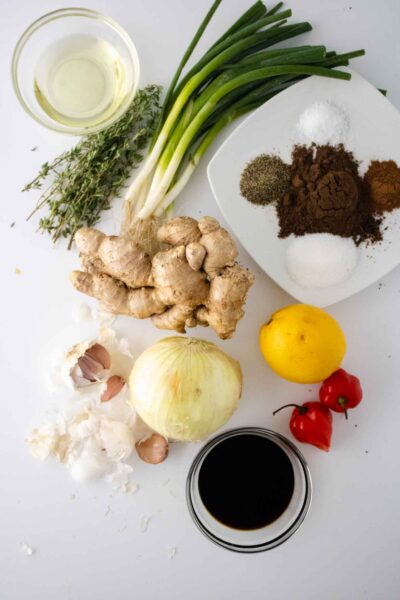
- 1/4 – ½ cup low sodium soy sauce
- 1 medium onion
- 12 sprigs fresh thyme
- 6 scallions/green onion
- 8 garlic cloves
- 2 scotch bonnet or habanero peppers
- A knuckle of fresh ginger
- ½ teaspoon ground cloves
- ¼ tsp ground allspice
- 1 teaspoon Salt
- 1 tablespoon Sugar
- ½ teaspoon nutmeg
- 1 teaspoon cinnamon
- 1 teaspoon black pepper
- 1 ¼ cup freshly squeezed Lemon or lime juice
- ¼ cup canola, vegetable or olive oil
Here is a great Jamaican Jerk Chicken Recipe, you can serve it with!

INGREDIENT NOTES
Soy sauce (¼ – ½ cup): Start at ¼ cup if you want a more balanced sauce with citrus forward flavor. Use ½ cup for a saltier, more savory marinade — which is better if you’re using this as an overnight chicken marinade rather than a dipping or basting sauce. Always taste before committing to the full amount, and use low sodium so you have control over the salt level.
Scotch bonnet or habanero (2 peppers): Use scotch bonnets for authentic Jamaican flavor. Habaneros are a workable substitute but will produce more heat with less of the fruity floral note. To reduce heat level: remove the seeds and white membrane before blending. For mild heat, use 1 pepper instead of 2. For serious heat, keep the seeds in both.
Fresh ginger (approximately 1-inch piece, peeled / about 1 tablespoon grated): Measure as a rough 1-inch knuckle. Fresh ginger only — ground ginger is a completely different flavor and doesn’t work here.
Ground allspice (¼ tsp): This is correct. ¼ teaspoon. The earlier version of this post had a typo listing ¼ cup — that amount would make the sauce inedible. ¼ teaspoon is what you want.
Cinnamon (1 tsp) + nutmeg (½ tsp) + cloves (½ tsp): These three work together as a warm spice base. Don’t skip any of them — the combination is what gives jerk seasoning its characteristic depth. Using all three in these proportions is non-negotiable for the flavor profile.
Citrus (1¼ cups freshly squeezed): Freshly squeezed only. This is a large amount by design — the citrus is as much a flavor component as it is an acid. It balances the heat, lifts the aromatics, and makes the sauce bright rather than heavy.
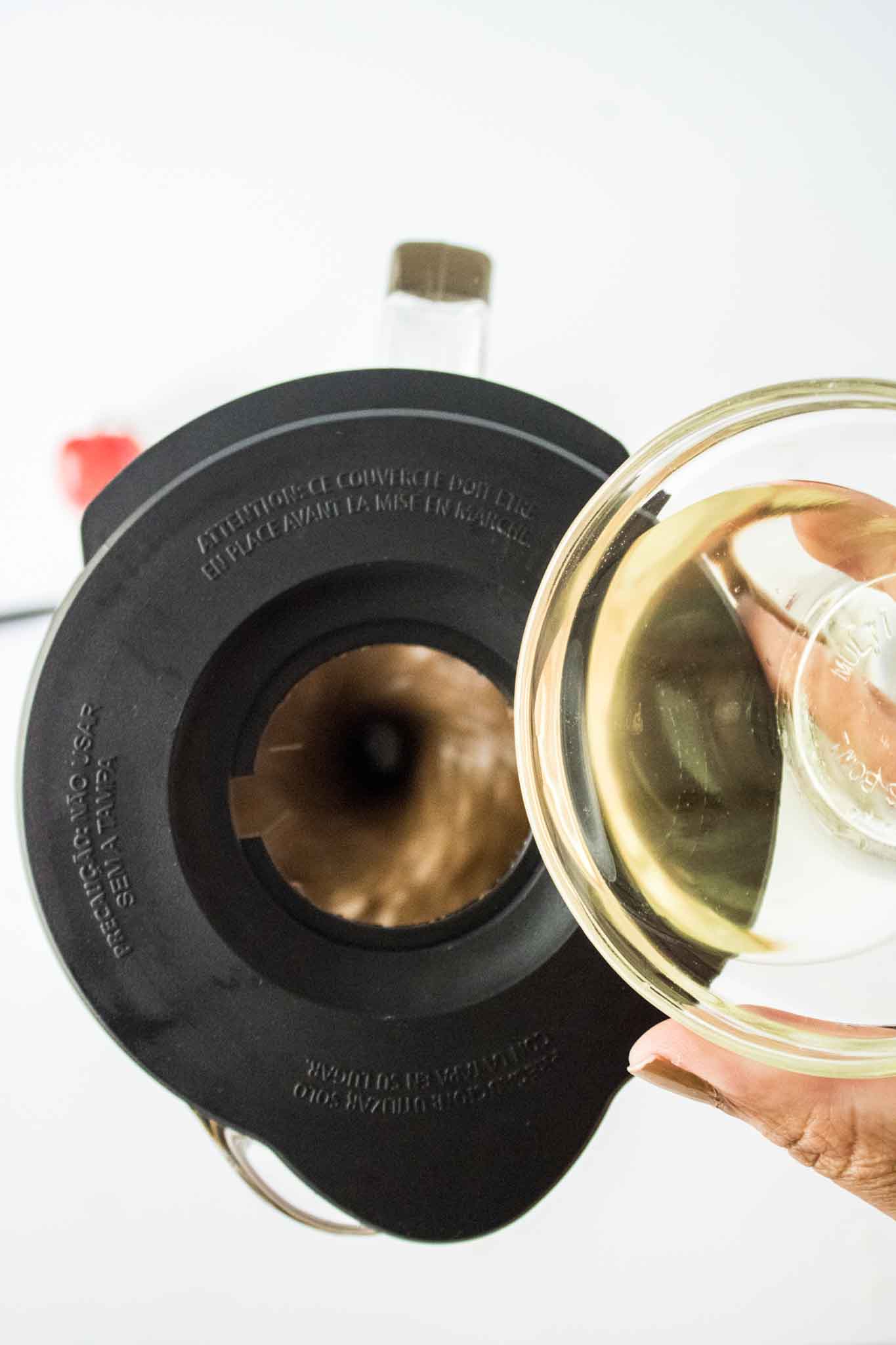
Oil (¼ cup): Added last, drizzled in while blending, which allows it to partially emulsify into the sauce rather than sitting on top. Canola or vegetable oil keeps the flavor neutral. Olive oil works but adds its own flavor — mild olive oil is fine, strong extra virgin will compete.
How To Make This Jerk Sauce
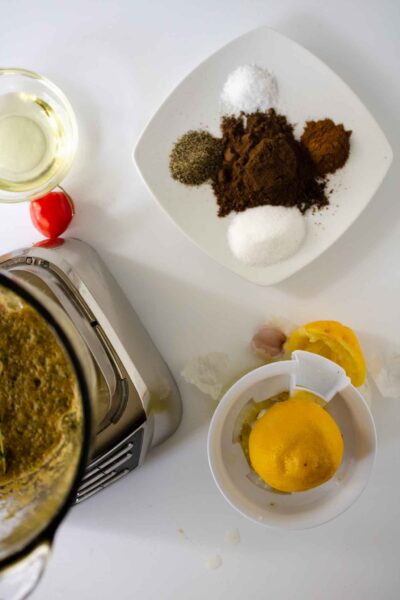
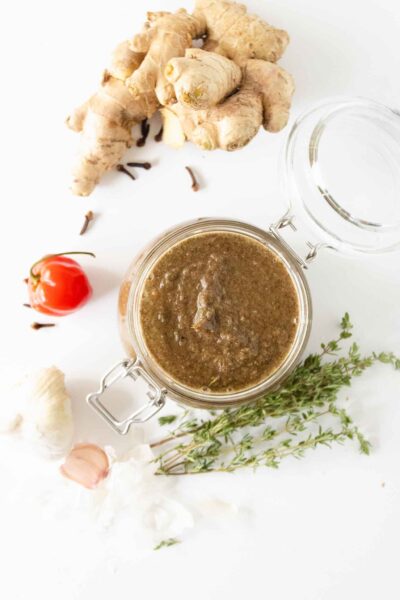
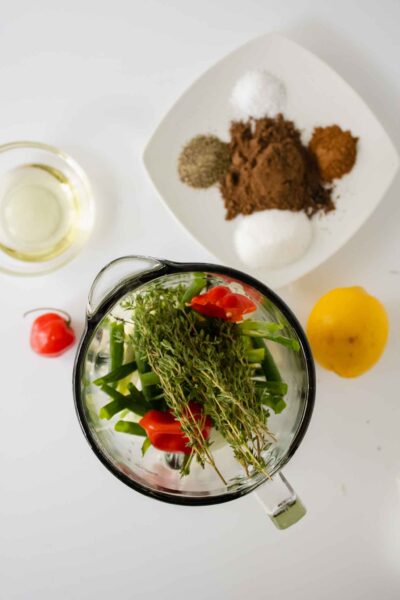
Everything goes in a blender, but the order matters slightly. Start with the wet aromatics — soy sauce, onion (rough chopped), thyme (pull the leaves or add sprigs whole), scallions, garlic, scotch bonnets, and ginger. Pulse 5–6 times until everything is roughly broken down but not yet smooth. This first pulse stage helps the aromatics start releasing their flavor before the dry spices go in.
Add the ground cloves, allspice, salt, sugar, nutmeg, cinnamon, black pepper, and all the citrus juice. Blend until smooth — 30–45 seconds on medium-high.
With the blender running on low, drizzle in the oil slowly. This last step helps the oil incorporate into the sauce rather than pooling separately. Blend another 15–20 seconds after the oil is in.
Taste. Adjust salt if needed. If the heat level is too high and you can’t go back (seeds are already in), a teaspoon of sugar or a splash more citrus will slightly moderate the scotch bonnet. If it needs more heat, add a third pepper or a pinch of cayenne.
Use immediately as a marinade — 4 hours minimum, overnight is better — or store in an airtight jar in the refrigerator for up to 2 weeks. The flavor deepens after a day or two.
TIPS
Use scotch bonnets if you can find them. The flavor difference between scotch bonnets and habaneros is real and noticeable. Caribbean grocery stores in Brooklyn almost always carry them. Flatbush, Utica Avenue, Crown Heights — if you’re local, you know where to find them.
Seed the peppers to control heat. Remove seeds and white membrane for a milder sauce. Keep them in for the full scotch bonnet experience. Wear gloves when handling — scotch bonnet oil on your fingers and then in your eyes is a bad afternoon.
Fresh citrus only. The difference between fresh-squeezed and bottled juice in a sauce this straightforward is dramatic. The brightness from fresh citrus is one of the things that makes this sauce taste like the real thing.
Drizzle the oil in last. Adding the oil with the blender running gives you a more cohesive sauce. If you add it all at once, it tends to separate.
Let it marinate overnight. Four hours is the minimum for jerk marinade to penetrate chicken. Overnight produces noticeably more flavorful, more tender results.
The sauce deepens in the fridge. Make it a day ahead when possible. The flavors meld and the scotch bonnet heat distributes more evenly after 24 hours.
VARIATIONS
Milder family version: Use 1 scotch bonnet seeded instead of 2, reduce black pepper to ½ tsp, and add an extra tablespoon of sugar. Still recognizably jerk, significantly less heat — good for kids at the table.
Jerk dry rub conversion: Reduce or omit the soy sauce and citrus, blend the remaining ingredients into a thick paste, and use it as a dry rub rather than a wet marinade. Pat directly onto chicken and let sit overnight. Different texture, same flavor profile.
Jerk dipping sauce: Thin the base sauce with a few tablespoons of honey and a splash of apple cider vinegar after blending. Brings it toward a sweet-heat condiment that works on the table alongside grilled meats.
Pork version: This sauce works on pork shoulder just as well as chicken. Marinate overnight, then slow roast or smoke. The citrus helps break down the pork while the scotch bonnets penetrate the meat deeply.
HOW TO USE JERK SAUCE
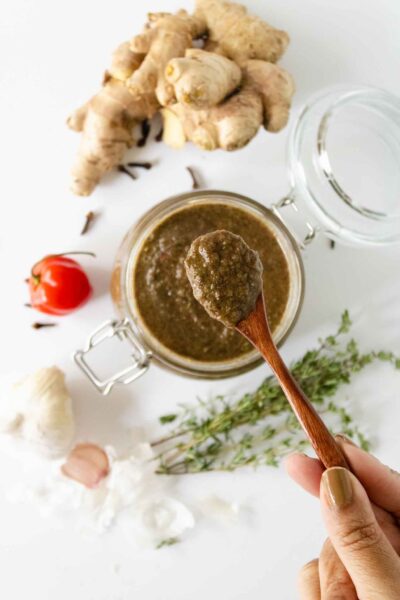
As a marinade: coat chicken, pork, shrimp, or tofu completely and refrigerate — 4 hours minimum, overnight preferred. The citrus in the sauce acts as a tenderizer, so longer than 24 hours on chicken can start to affect texture.
As a basting sauce: brush onto the protein every 15–20 minutes during grilling or roasting for layered flavor and a charred, glossy exterior.
As a dipping sauce: set some aside before it touches raw meat and serve alongside the finished dish. Especially good with authentic rice and peas on the side.

FAQs
Scotch bonnets are the authentic choice for Jamaican jerk — they have a fruity, floral heat that’s distinctly Caribbean. Habaneros are hotter and more straightforwardly spicy without the same fruity note. Either works in this recipe, but scotch bonnets produce a more authentic flavor profile.
With 2 unseeded scotch bonnet peppers, this is a genuinely hot sauce. To reduce heat: remove the seeds and white membrane, or use only 1 pepper. To reduce further, substitute 1 habanero seeded for both scotch bonnets.
Fresh thyme is strongly recommended — it has a green, herbaceous quality that dried thyme can’t replicate in this sauce. If fresh is unavailable, use 2 teaspoons of dried thyme as a substitute, but expect a flatter result.
Stored in an airtight container in the refrigerator, this sauce keeps for up to 2 weeks. The flavor actually improves after 24–48 hours as everything melds together.
Yes — but always set aside the amount you want for basting before the sauce touches raw meat. Never use marinade that has been in contact with raw chicken or pork as a table sauce or basting liquid applied near the end of cooking.
1¼ cups of freshly squeezed citrus juice is more than most jerk sauce recipes call for, and it’s intentional. The acidity balances the scotch bonnet heat, brightens all the other aromatics, and is part of what makes this sauce taste like the real thing rather than a generic spicy marinade.
Yes. Pour into an ice cube tray, freeze solid, then transfer to a freezer bag. Individual cubes thaw quickly and give you a single-serving portion of marinade whenever you need it. Keeps frozen for up to 3 months.
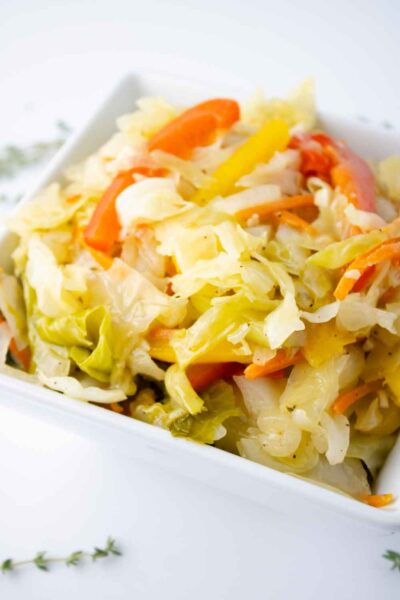
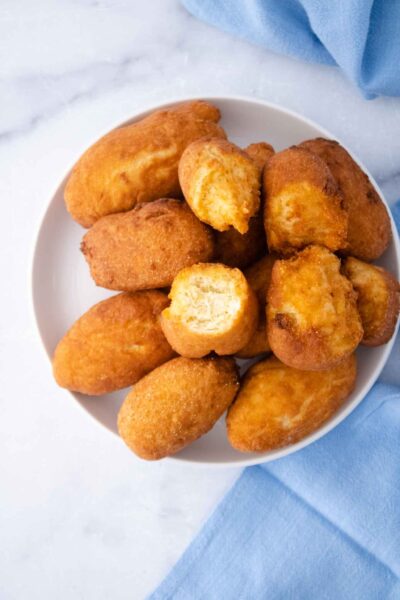
This sauce is the foundation of a lot of what gets made at our house during summer. The Authentic Jamaican Jerk Chicken is the obvious first use — make the sauce, marinate overnight, grill low and slow. From there the rest of the Jamaican table comes together naturally: rice and peas, steamed cabbage, festival dumplings on the side. That’s the meal.
Here are some more amazing Jamaican recipes to try:


The Best Jamaican Jerk Sauce Recipe
This Jamaican Jerk Sauce is so good and easy to make and great with any protein!
Ingredients
- 1/4 - ½ cup low sodium soy sauce
- 1 medium onion
- 12 sprigs fresh thyme
- 6 scallions/green onion
- 8 garlic cloves
- 2 scotch bonnet or habanero peppers
- A knuckle of fresh ginger
- ½ teaspoon ground cloves
- ¼ tsp ground allspice
- 1 teaspoon Salt
- 1 tablespoon Sugar
- ½ teaspoon nutmeg
- 1 teaspoon cinnamon
- 1 teaspoon black pepper
- 1 ¼ cup freshly squeezed Lemon or lime juice
- ¼ cup canola, vegetable or olive oil
Instructions
- In a blender add soy sauce, onion, thyme, scallions, garlic, peppers, and ginger , 2 - 3 blend by pulsing
- Add the ground cloves, allspice, salt, sugar, nutmeg, cinnamon, black pepper, lemon juice and blend.
- Drizzle oil into blender until you have a smooth puree. Taste and adjust seasonings as needed.
Nutrition Information
Yield
8Serving Size
1Amount Per Serving Calories 74Total Fat 2gSaturated Fat 0gTrans Fat 0gUnsaturated Fat 2gCholesterol 0mgSodium 418mgCarbohydrates 15gFiber 3gSugar 5gProtein 2g

Before you go, Grab Your Free Printable Recipe Kit!
Keep track of all your favorite recipes and ingredients with this free printable book!

Hi! I’m Nellie. I am an entrepreneur, a busy mama of 3 and a wife to my high school sweetheart. I have been sharing content for over 12 years about how to cook easy recipes, workout tips and free printables that make life a little bit easier. I have been featured in places like Yahoo, Buzzfeed, What To Expect, Mediavine, Niche Pursuits, HuffPost, BabyCenter, Mom 2.0, Mommy Nearest, Parade, Care.com, and more!
Get comfortable and be sure to come hang out with me on social. Don’t forget to grab your free fitness journal before you go!

Hi! In this recipe you call for 1/4 cup of allspice? Is that correct? Similar recipes call for 1/4 tsp so that is what we used.
you are right!! Typo on my end. Thank you so much!