
Mindfulness Activities for Kids: Free Printable Pack (5 Activities)
You know that mindfulness is important when you’re an adult, but what about teaching it to children? If you’d like to teach your kids how to become more aware of what they’re feeling, these printable Mindfulness Activities for Kids are a must-try.
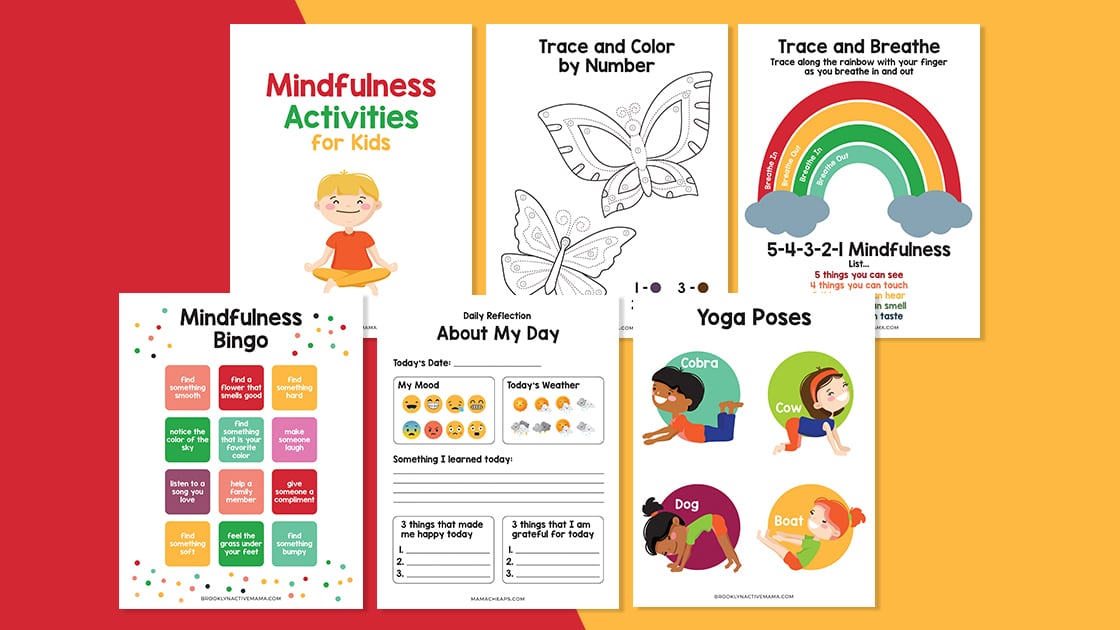
My kids are growing up in a world I didn’t have at their age — constant notifications, algorithmically curated content, a pace of information that doesn’t stop. I think about this a lot, both as a parent and in my digital literacy work. And one of the things I keep coming back to is this: before you can teach a kid to navigate the digital world intentionally, they need to know how to notice what they’re feeling. That starts with mindfulness.
I made this free mindfulness activities pack for my own kids first. We’ve used the breathing sheets during homework meltdowns, the bingo card on rainy Saturdays, the yoga poses as a cool-down after school before anyone gets near a screen. These aren’t just cute printables — they’re actual tools for helping kids slow down and check in with themselves, which is a skill they are going to need.
Download the pack, print what looks useful, and try one thing at a time. You don’t have to introduce all of it at once.
WHY MINDFULNESS MATTERS FOR KIDS RIGHT NOW
Kids are living through an era of constant stimulation. School is high-pressure. Social life is complicated by technology. Even downtime often involves screens that are specifically designed to hold attention and trigger emotional responses.
Mindfulness gives kids a counterweight — a practiced ability to pause, notice, and choose how to respond instead of just reacting. Research consistently shows that mindfulness practice in children supports better emotional regulation, improved focus, reduced anxiety, and stronger peer relationships. But more practically: kids who learn to check in with themselves are less likely to spiral when things go wrong, and more likely to ask for help before they hit a wall.
You don’t need a meditation cushion or a special curriculum to start. These printables are designed to make mindfulness accessible for kids in everyday moments.
WHAT’S IN THE PACK
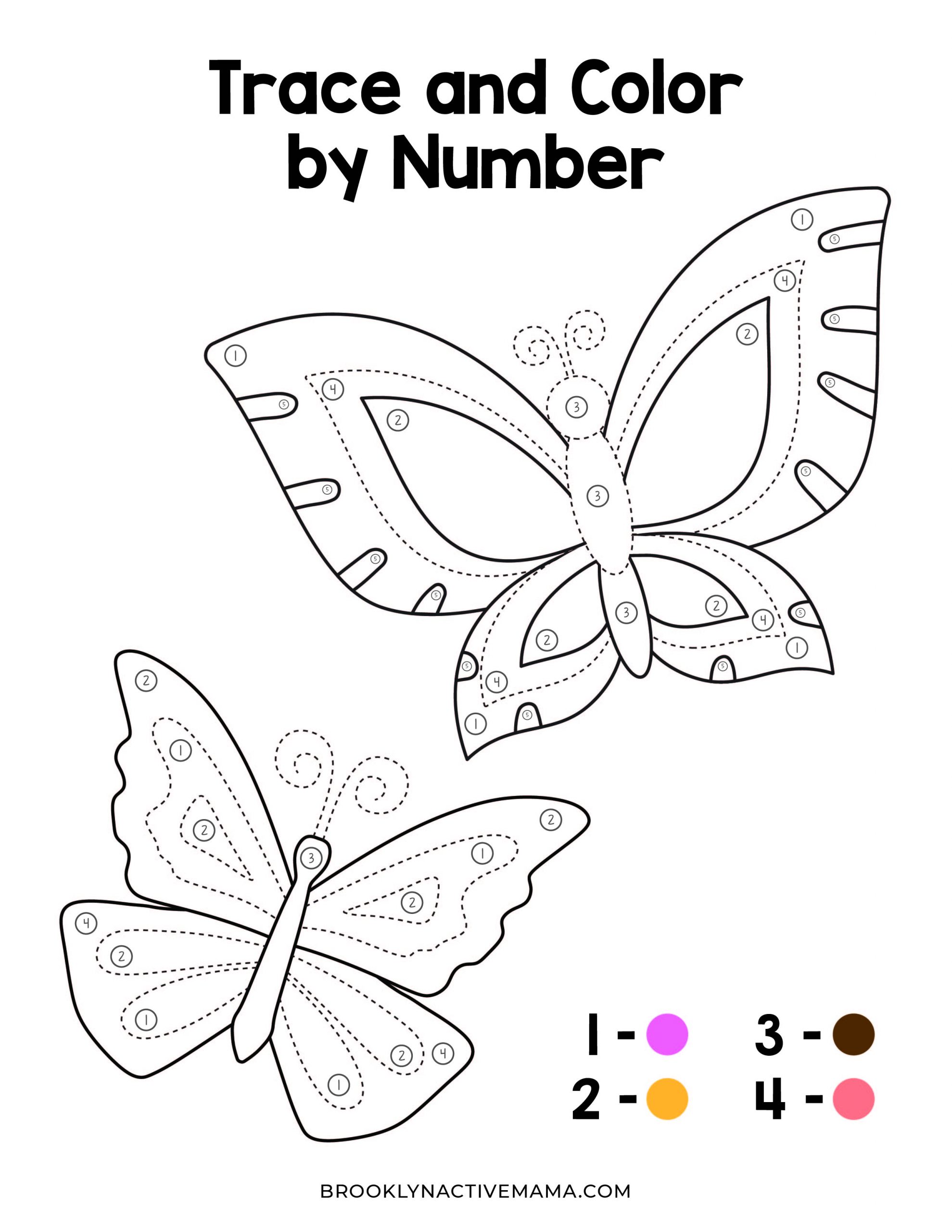
Trace and Color by Number This sheet pairs a number-tracing activity with color-by-number elements, making it meditative without announcing itself as such. The repetition of tracing and coloring has a naturally calming effect — it’s intentionally designed to slow the hands and quiet the mind. Best for ages 5–9. Works well as a transition activity between high-energy play and bedtime or homework.
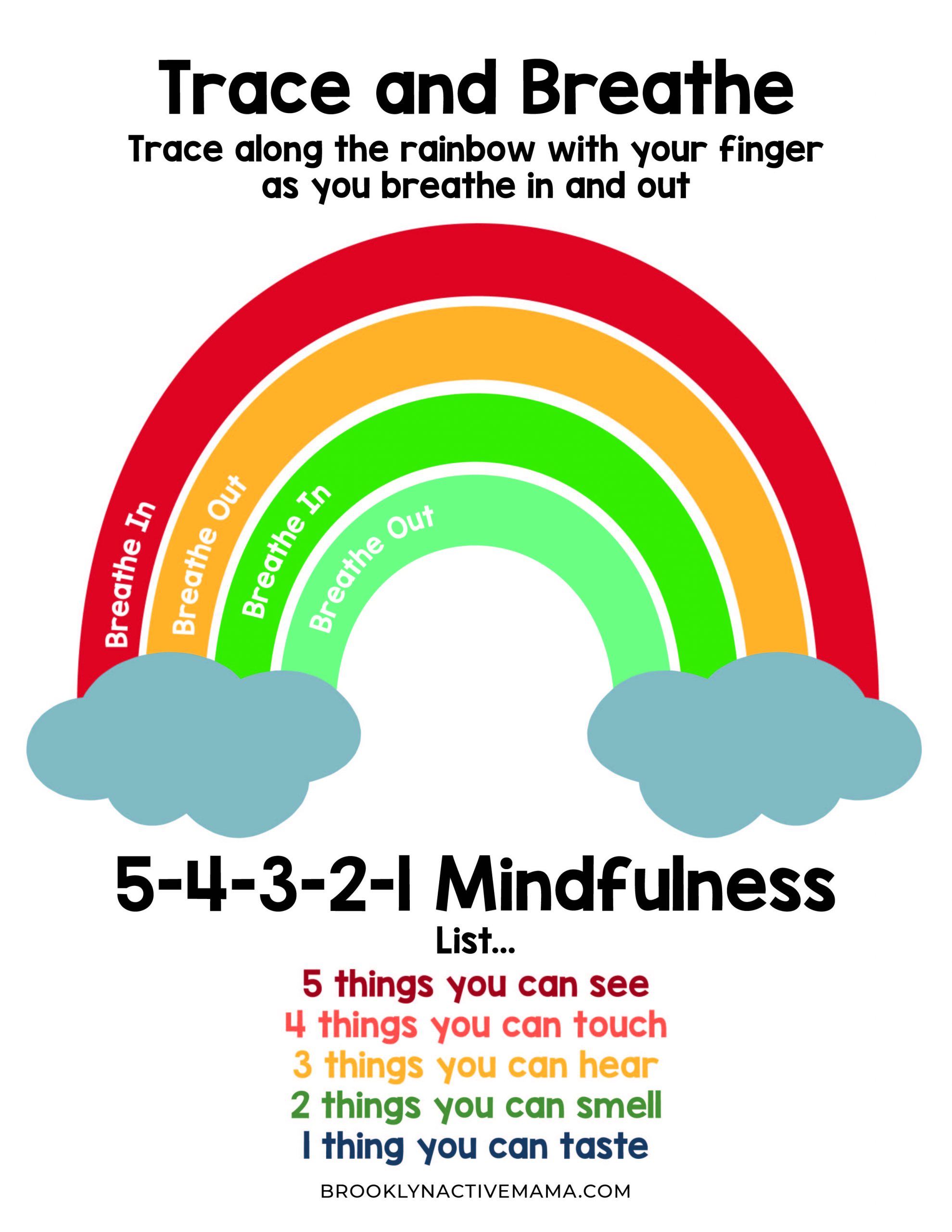
Trace and Breathe This is one of the most practically useful sheets in the pack. Kids trace a shape while coordinating their breathing — inhale on one side, exhale on the other. It’s a simplified version of box breathing, which is used in everything from elementary school counseling programs to military stress management. After the breathing exercise, the sheet prompts kids to notice what they can see, hear, smell, and taste — a classic sensory grounding technique. Best for ages 5 and up. Effective for anxious moments or after a meltdown once things have calmed slightly.
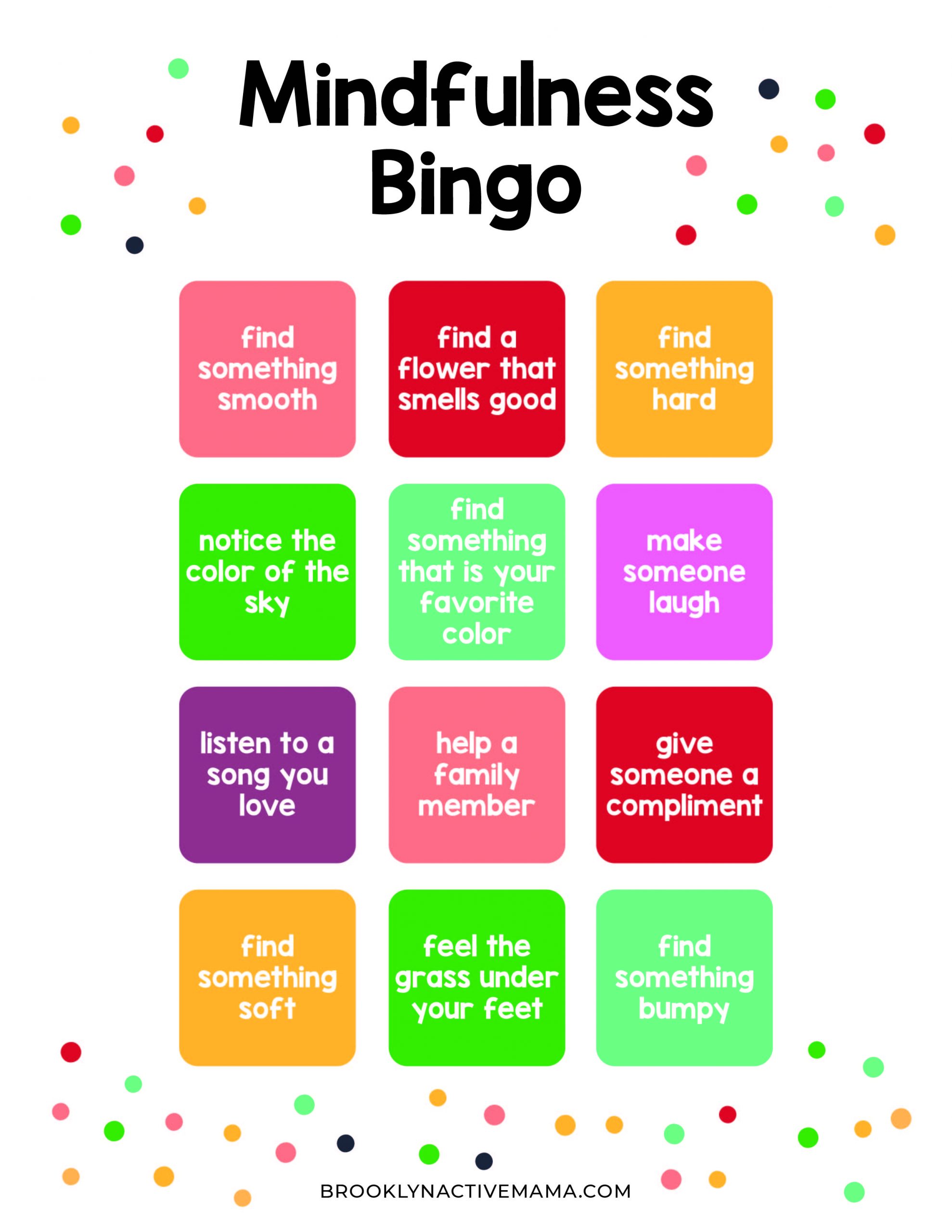
Mindfulness Bingo The bingo card reframes mindfulness as a social activity. Each square contains a small action — giving a compliment, helping a family member, making someone laugh, noticing something beautiful. It’s designed to be played as a family or in a classroom and works for a wide age range. The competitive element of bingo keeps kids engaged while the actions themselves build empathy and present-moment awareness. Best for ages 6–12, family game nights, or classroom use.
Yoga Poses The yoga sheet gives kids a visual guide to simple poses they can try independently. Movement-based mindfulness is often more accessible for kids who resist sitting still — especially boys and high-energy kids who find breathing exercises frustrating. These poses build body awareness and focus without requiring any prior yoga experience. Best for ages 5–12.
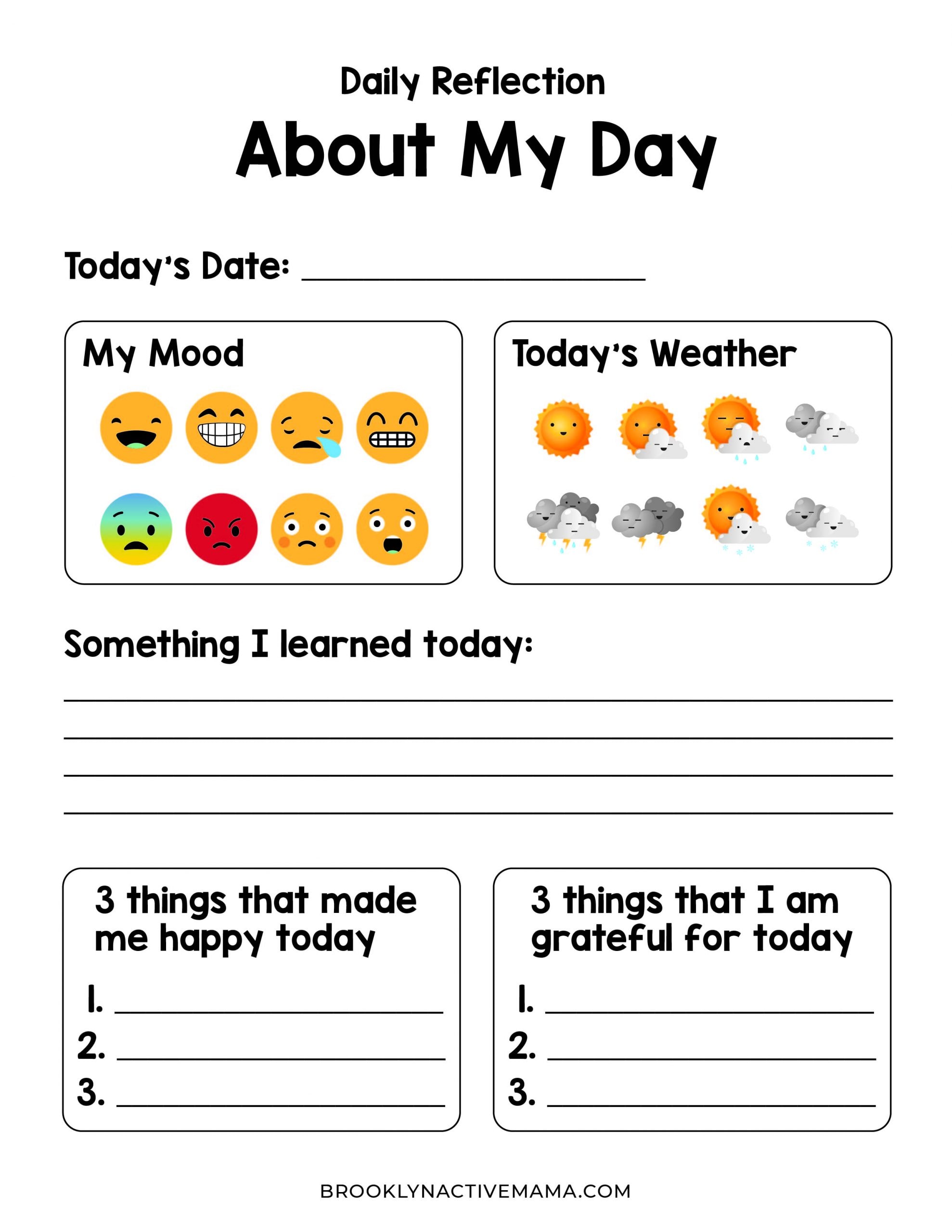
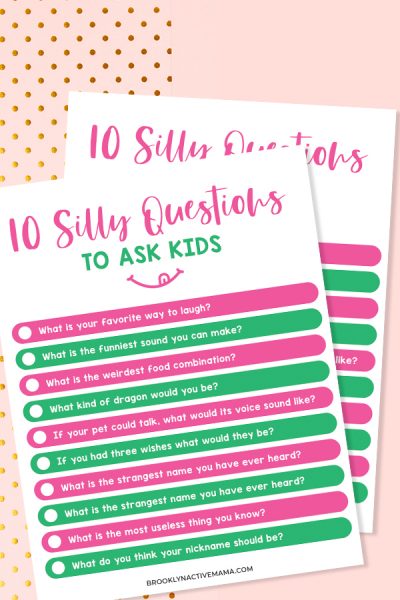
Daily Discussion Prompts These prompts invite kids to reflect on their day — what they noticed, how they felt, what they’re grateful for. They work well at the dinner table or as a bedtime wind-down. For older kids (ages 8+), they can be done in writing as a journal practice.
Trace and Color by Number
One printable provides children with the opportunity to trace by number and color by number. It involves careful thought and consideration, but it’s also therapeutic and relaxing.
HOW TO USE THESE PRINTABLES
Start with one sheet, not all five. Pick the one that feels most relevant to where your kids are right now — if you have a high-energy kid who resists sitting still, start with the yoga poses. If you have an anxious kid who tends to spiral, start with trace and breathe.
Print on cardstock if you plan to reuse them. The bingo card especially holds up better on heavier paper. Laminating the bingo card and using dry-erase markers makes it reusable for ongoing family game nights.
You don’t have to explain the full concept of mindfulness to your kids before using these. For younger kids, just introduce them as activities. The practice comes first; the understanding follows.
Use the discussion prompts at a predictable time each day so they become routine. Dinner is ideal. Bedtime also works. The consistency matters more than the timing.
It’s the perfect activity to have your children do when you want them to unwind after a hectic, busy day.
Trace and Breathe
The trace and breathe activity is all about teaching children to breathe in and out at a slow and steady pace. Children can take turns tracing each color while breathing in or breathing out.
TIPS FOR INTRODUCING MINDFULNESS TO RESISTANT KIDS
Some kids roll their eyes at anything that feels like it’s supposed to be “good for them.” If that’s your situation:
Don’t use the word mindfulness. Call it a breathing game, a calm-down activity, or just “something I want to try.” The label is the problem, not the practice.
Let them see you do it first. Kids are more receptive to things they see their parents or caregivers doing genuinely, not just assigning to them.
Use the bingo card as the entry point. It’s the most playful of the activities and doesn’t feel like emotional work — it just feels like a game.
Keep sessions short. Five minutes of a breathing exercise is plenty. The goal isn’t duration; it’s the habit of pausing.
Don’t force it after a meltdown mid-crisis. Wait until things have de-escalated by at least a little before introducing any of these tools. When kids are in full fight-or-flight mode, they can’t access the part of the brain that mindfulness practices are trying to engage.
It also encourages children to come up with a list of things they can see, hear, smell, and taste, which requires them to use their senses.
Mindfulness Bingo
Perhaps one of the most enjoyable activities of the bunch is the mindfulness bingo. It’s the perfect game to play with your kids to teach mindfulness while sharing laughs and having a good time.
FAQs
The pack works best for kids ages 5–12, though most activities can be adapted. The trace and breathe and yoga sheets work well for younger kids (5–7). The bingo card and discussion prompts are more engaging for older kids (8–12). Teenagers can use the discussion prompts as journaling prompts with some light reframing.
Keep it simple and physical: “Mindfulness means noticing what’s happening right now — what you see, what you hear, how your body feels.” You don’t need a philosophical explanation. The trace and breathe sheet is a great first introduction because it gives kids something concrete to do while practicing awareness.
Yes. The mindfulness bingo and discussion prompts are particularly well-suited for classroom use. Teachers can use the bingo card as a class-wide activity or morning meeting game, and the discussion prompts work well as journaling starters or circle time prompts.
No — start with one or two that feel most relevant to your child’s needs. You can always come back to the pack and try other sheets later.
Even a few minutes a day makes a difference over time. Consistency matters more than duration. A five-minute breathing exercise done every day builds more of a foundation than a 30-minute session done once a week.
These printables are designed for general use and are not therapeutic tools. That said, the trace and breathe activity specifically uses sensory grounding and paced breathing techniques that are commonly used in therapeutic settings for anxiety. If your child is working with a therapist, these printables can be a nice complement to that work — but check with the therapist first. For ADHD, movement-based activities like the yoga poses tend to be more accessible than breath-focused activities.
These printables won’t fix everything — but they give kids a starting point. A language for their feelings. A few tools to reach for when things feel overwhelming. That’s worth a lot, especially right now.
Download the pack below, print what looks useful, and try one thing this week. If your kids take to one of the activities in particular, drop a comment and let me know — I’m always curious what actually lands with real kids in real homes.
And if you’re looking for more free resources for raising self-aware, emotionally grounded kids, check out the other printables linked below.
Download the Mindful Activities Pack Here!
Here are some more great printables for kids:

Hi! I’m Nellie. I am an entrepreneur, a busy mama of 3 and a wife to my high school sweetheart. I have been sharing content for over 12 years about how to cook easy recipes, workout tips and free printables that make life a little bit easier. I have been featured in places like Yahoo, Buzzfeed, What To Expect, Mediavine, Niche Pursuits, HuffPost, BabyCenter, Mom 2.0, Mommy Nearest, Parade, Care.com, and more!
Get comfortable and be sure to come hang out with me on social. Don’t forget to grab your free fitness journal before you go!
